
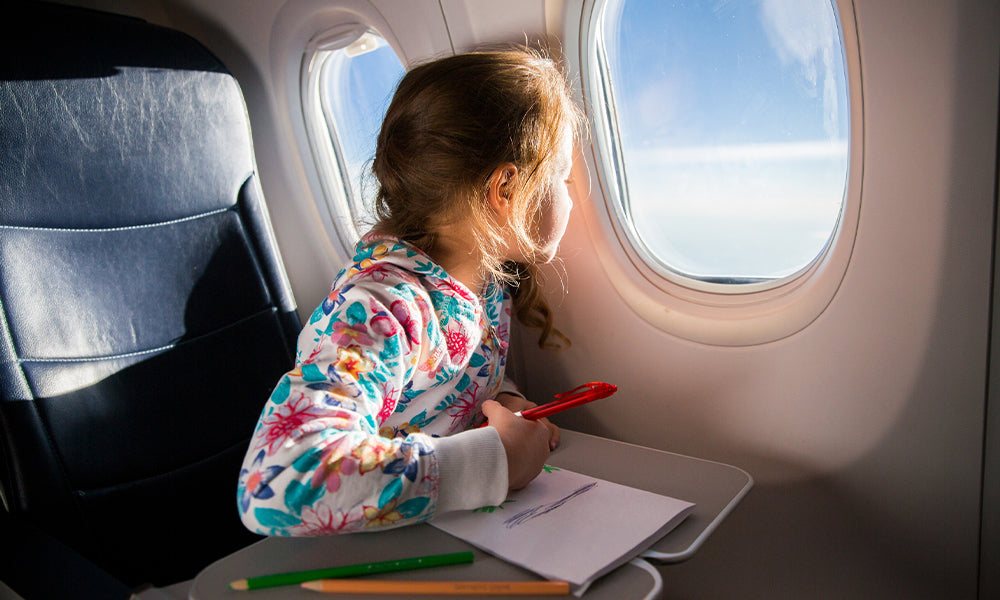
Traveling with little ones can seem daunting, especially for first-time parents. Between packing, managing schedules and mitigating meltdowns in unfamiliar places, family trips often require a little more patience and a lot more mindfulness. From preparing for long car rides to helping your child self-regulate in a new environment, thoughtful planning can make for a smooth and memorable travel experience.
Make trip planning interactive
Our little ones are tiny humans, and, like most humans, they feel more secure when they know what to expect. By actively including our little ones in trip preparation, even in small ways, we can help reduce anxiety and make travel feel exciting rather than overwhelming.
Small moments like showing your children photos of where you're going or talking through the travel process can help them feel involved. Another way to help include them is letting your child help choose activities, snacks or toys to bring along for the journey. Giving them a sense of autonomy often leads to smoother transitions and less stress for the entire family.
Pack the essentials
When traveling with little ones, coming prepared is key — but that doesn't mean packing the entire house. Focus on key essentials that can make all the difference during travel mishaps and meltdowns:
- First aid kit - A compact kit containing baby-safe medicine, a rectal thermometer, nasal aspirator and antiseptic wipes should always be within reach when on the go.
- Snacks - A hungry child can quickly become an angry child. Pack low-sugar snacks to avoid the crash, such as crackers, chips or trail mix (keeping allergies in mind, of course). Travel-friendly cups and bowls can also help minimize spills and crumbs in the car.
- Extra clothes - Accidents and spills are inevitable, especially when traveling. It's important to have at least one, preferably two, extra outfits and a wet bag to store soiled clothing.
- Toys and books - Books, soft toys, interactive games and comfort items such as a favorite stuffy can help lighten the load of entertaining your little ones throughout the trip. Keeping a rotation of toys can also help maintain their interest and prevent boredom.
- Music - Never underestimate the power of a great playlist. Rotating between lively sing-alongs to boost their mood and calming lullabies to encourage a backseat nap can make all the difference during a long trip.
Surviving long car rides
Once you're on the road, those essentials become your best tools. Offer your little one an alternating selection of toys and books to choose from.
Simple car games like "I spy" are another way to help pass the time and engage your little ones with their surroundings. Fingerplay games like "The Itsy Bitsy Spider" and "Head, Shoulders, Knees and Toes," are perfect for keeping young hands occupied while building fine motor skills and coordination.
Don't forget to schedule regular stretch breaks along the way. Stopping every two to three hours gives everyone — especially restless children — a chance to burn off energy, go to the bathroom and stretch their legs. A quick five-minute run around a rest area can do wonders for resetting the mood before the next leg of the journey.
Helping little ones regulate in new environments
Often, the first step in helping our little ones regulate their emotions is to regulate our own. Co-regulation helps your child learn self-soothing and coping skills through modeled behaviors. Children haven't gained the ability to manage their emotions yet, so it's important for us to help guide them through their frustration, exhaustion and overstimulation while keeping our own emotions in check.
At Kiddie Academy®, emotional regulation and social-emotional development are incorporated into everyday learning through our Life Essentials® curriculum designed to help children build confidence, communication skills and healthy coping strategies.
Decompression days are important
One of the most common mistakes first-time traveling parents make is trying to do too much. A packed schedule with minimal downtime can lead to frustration and overstimulation for both parents and children. Building in recovery days with limited activity is a great way to make sure your little one has the time to rest and relax between ventures. Whether it's a morning of unstructured playtime or storytime at the library, it's helpful to give your little one time to process the previous day without additional stress or burnout.
Plan for the unexpected
Travel rarely goes as planned, especially with our little helpers in tow. Some days they may simply be overwhelmed — and that's okay! Whenever possible, book refundable or flexible activities for last-minute changes, because sometimes the best solution is skipping the excursion and avoiding a meltdown.
While no trip with your child will ever go without bumps, a little preparation can go a long way. Slowing down, maintaining routines and giving your little ones the chance to rest and reset can help your family enjoy the travel experience rather than just survive it. With realistic expectations and a lot of grace, family trips can be adventures everyone looks forward to.