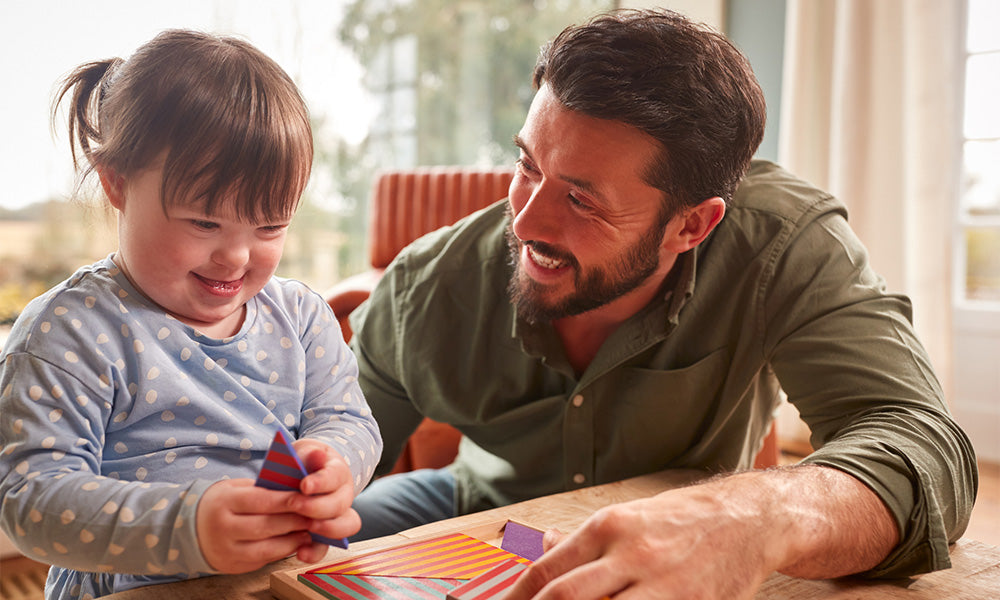

One day, you’ll catch yourself saying one of your mom’s catchphrases to your kids. Her words made you roll your eyes in your younger years. However, becoming your parents is a rite of passage. From family traditions to parenting techniques, there are more similarities than you might think.
Why People Turn Into Their Parents
The similarities between you and your parents may start with genetics. Some personality traits are inherited, so your genetic makeup is determined at birth. A 2024 study found 62 new genetic markers associated with neuroticism. Overall, the Yale researchers found 200 loci across key traits, including extraversion and openness.
While genetics often set the stage, your environment also influences your upbringing. Your childhood likely involved observing and imitating your parents’ behaviors and attitudes. Even though you were young and blissfully unaware, you absorbed more than you thought. If you spent a lot of time with your parents, they may have been your only models for parenting.
Your parents were young once and had to learn what it takes to be a good parent. They learned from your grandparents, with genes passing through generations. Scientists estimate up to 60% of your personality is heritable, with most changes occurring between the ages of 20 and 40. Once you enter the typical ages of parenthood, you start making the comparisons.
Signs You’re Becoming Your Parents
You could catch yourself acting like your parents in the moment or realize their influence in retrospect. While some find it amusing, others say it’s unsettling. Here are five signs you’re a spitting image of your parents.
Enforcing the Same Rules
Imagine your kid has spent all morning playing on their tablet. You tell them it’s time to play outside and get some fresh air. After all, experts recommend physical activity over screen time to ensure healthy development. You take your kids to the backyard or playground to burn off energy. Then, you realize this scenario perfectly mirrors your upbringing.
Your parents scoffed at screen time when it was CRT TVs and PlayStations. They grew up before the digital age, making them less familiar with technology. Still, they told you to play outside more, just as you might do with your kids. Screens are everywhere, but the parental outlook on them hasn’t changed much.
Repeating Their Phrases
Children are sponges and learn vocabulary from their parents. While direct conversation is impactful, you likely observed your own parents interact with other adults. At some point, you may have caught yourself repeating their catchphrases. Becoming your parents is easier than you think because you say these words unknowingly.
You may find yourself repeating your parents’ lines when you’re feeling stressed or offering advice and guidance. For example, your child is upset because you’re making dinner at home instead of getting fast food. You tell them, “Money doesn’t grow on trees.” Suddenly, you get flashbacks to your childhood, when a burger sounded a lot better than mom’s meatloaf.
Worrying About Health and Safety
When the weather turns cold, it’s typical to bundle up with a jacket and pants before you head outside. However, your kids are feeling rebellious and insisting on wearing shorts and T-shirts. As a caring parent, you insist that they wear a coat and cover up as much as possible. You’re exhibiting the classic behaviors of parental concern.
Parents want their kids to be safe and healthy, even if it seems like they’re overprotective. Your parents were likely strict about you wearing warm clothes in the winter, even if you thought it was warm enough. You may even catch yourself reminding your kids to eat their vegetables or to text you when they arrive safely at their destination.
Caring More About Bedtime Routines
Imagine your family has an established nighttime routine, including dinner at 6 p.m. followed by baths at 7 p.m. By 8 p.m., you’re at your children’s bedside reading bedtime stories about princesses, dragons and knights. After a while, you realize it’s the same routine you followed as a kid. Your parents swore by this routine even though you wanted to stay up all night.
As you grow older and wiser, you may start to care more about bedtime routines in general. Aging changes a person’s perspective on sleep because of its impact on health. Experts say getting older means shifting your sleep earlier to accommodate your circadian clock. As you get older, your whole idea of bedtime for both you and your kids might get earlier.
Complaining About Kids These Days
Becoming your parents includes the time-honored tradition of complaining about new trends. You may feel baffled by your children’s taste in music and clothing, leading to their groans and moans. In response, you tell your kids how your generation had the best bands and TV shows. Ultimately, you’re repeating the same talking points as your parents.
It’s typical for one generation to view the next as immature and less disciplined. Your parents insist Frank Sinatra is the best musician of all time, scoffing at your preference for Nirvana. Now, you insist Kurt Cobain’s group is far better than Blackpink or KATSEYE. If you wish your kids could’ve grown up in an earlier decade, you might be like your parents.
What Does It Mean to Be a Parent?
Becoming like your parents can be beneficial in many practical ways. Yours may have passed down skills, such as cooking and budgeting, to you. Even knowing how to make quick and easy meals that take less than half an hour is essential for teaching responsibility. These skills help you navigate adulthood more confidently, even when you feel unprepared. It’s all about strengthening family bonds and providing emotional security.
If you’re worried about becoming like your parents because of adversity in your childhood, there are still ways to overcome it. You can break generational cycles by practicing self-awareness and seeking support. Reflect on the behaviors you wish to leave behind, rather than repeating them. Your friends or local parenting groups could be excellent resources for learning about healthy parenting techniques and discovering new approaches.
Becoming Your Parents and Embracing the Changes
Echoing words and habits means you’ve followed in your parents’ footsteps. Some find it frustrating, while others embrace the transition. Regardless, it’s an opportunity to be mindful and intentionally choose the best patterns. Self-awareness is integral to helping your kids grow into the people you hope they become. Use wisdom from the past and take pride in being a responsible and caring parent.